Sub-Total: R0.00
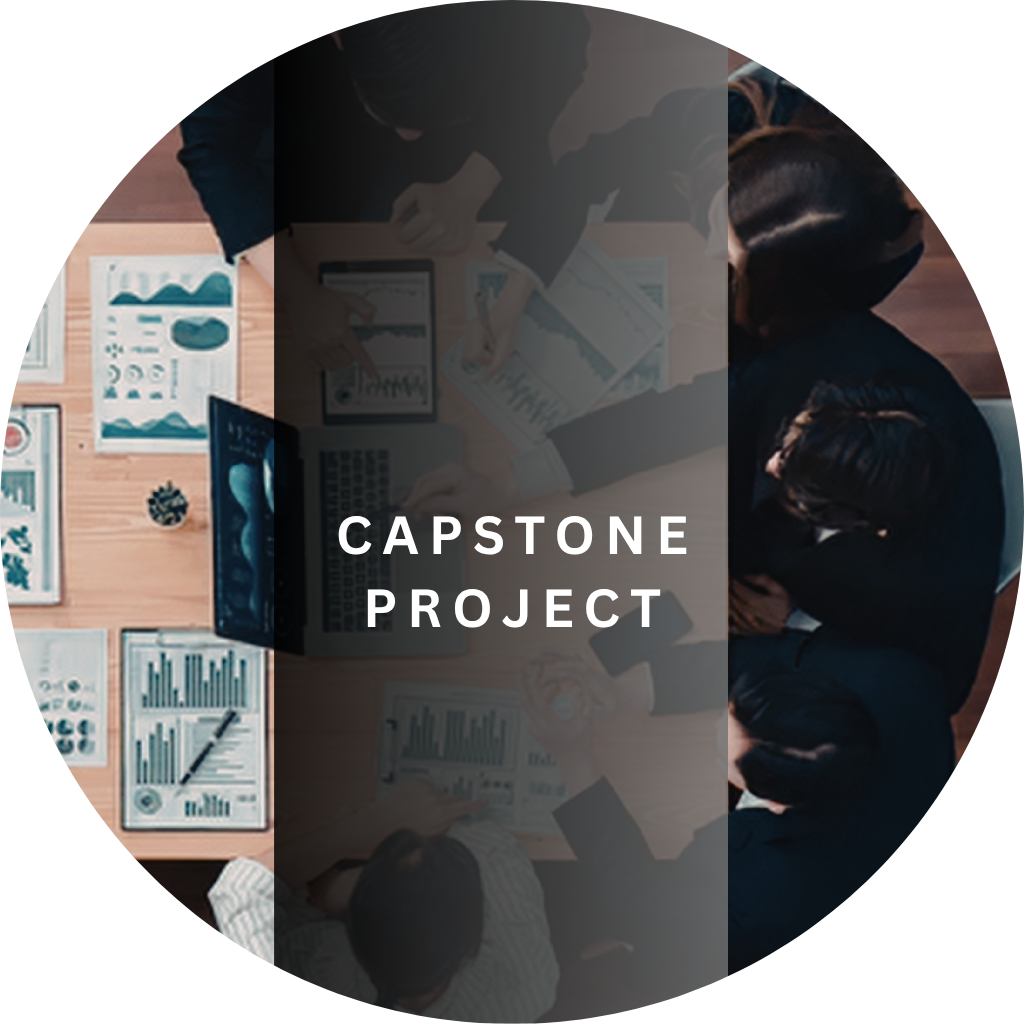
Capstone project
Course: Capstone project, Accreditation: ICTP Accredited, NQF Level: 5, Credits: 25
This Capstone Project requires learners to develop a complete, functional software solution by integrating skills in requirements analysis, systems design, programming, testing, and deployment. Learners plan and scope a real-world project, design the architecture, build and test the solution, and deliver a professional presentation supported by technical documentation. Ideal for those wanting to demonstrate full end‑to‑end software development capability and workplace readiness.
Description
Purpose and Rationale
The Capstone Project is the final culminating module designed to integrate all knowledge, skills, and competencies learners have gained throughout the qualification. During this project, learners are required to design, develop, test, and deploy a complete, functional software solution that addresses a real-world business or technical problem.
This course emphasizes problem-solving, systems analysis, collaborative teamwork, professional communication, and industry-standard development practices. By completing the Capstone, learners demonstrate workplace readiness and the ability to deliver end‑to‑end software solutions aligned with organizational and user requirements.
Learning Assumptions (What learners should already know)
Learners are assumed to have completed:
- Core modules in requirements analysis, process modeling, and programming
- Foundational knowledge of Agile methodologies, version control, and testing practices
- Ability to use development tools, IDEs, and collaboration platforms
- Technical communication skills for reports, documentation, and presentations
Recognition of Prior Learning (RPL)
RPL may be granted based on evidence of:
- Prior experience in end‑to‑end software development projects
- Portfolio evidence such as completed applications, source code, documentation, and Git repositories
- Workplace references confirming involvement in design, coding, testing, and deployment
- Certificates or training in software development, project management, or system design
What This Unit Standard Covers
Learners will complete tasks that include:
- Project planning and scoping: objectives, deliverables, timelines
- Requirements gathering: converting business needs into technical specifications
- Design and modeling: architecture plans, diagrams, ERDs, UML
- Development and integration: coding, debugging, and testing
- Deployment and documentation: packaging the system, preparing manuals, presenting results
- Team collaboration and ethics: applying professional conduct and Agile practices
Assessment Outcomes and Criteria
Outcome 1: Plan and scope a software development project
Learners must be able to:
- Define project objectives, deliverables, and success metrics
- Create a work breakdown structure and timeline
- Identify risks and propose mitigation strategies
Outcome 2: Gather and refine requirements for the solution
Learners must be able to:
- Document functional and non-functional requirements
- Validate requirements with stakeholders
- Ensure all requirements are traceable and testable
Outcome 3: Design and model the solution architecture
Learners must be able to:
- Produce process models, data flow diagrams, and ERDs
- Create UML diagrams for system interactions
- Ensure alignment with security, scalability, and performance standards
Outcome 4: Develop and test the software solution
Learners must be able to:
- Write clean, maintainable code in the chosen programming language
- Implement unit, integration, and system tests
- Debug, refine, and optimize the system
Outcome 5: Deploy and present the final solution
Learners must be able to:
- Deploy the application in a production-like environment
- Prepare user guides and technical documentation
- Deliver a professional presentation demonstrating the solution
Outcome 6: Collaborate effectively and apply professional ethics
Learners must be able to:
- Work collaboratively using Agile and version control practices
- Communicate effectively with stakeholders
- Uphold ethical standards, including data privacy and IP compliance
Develop Software using HTML5, Opensource Frameworks and Libraries