Sub-Total: R0.00
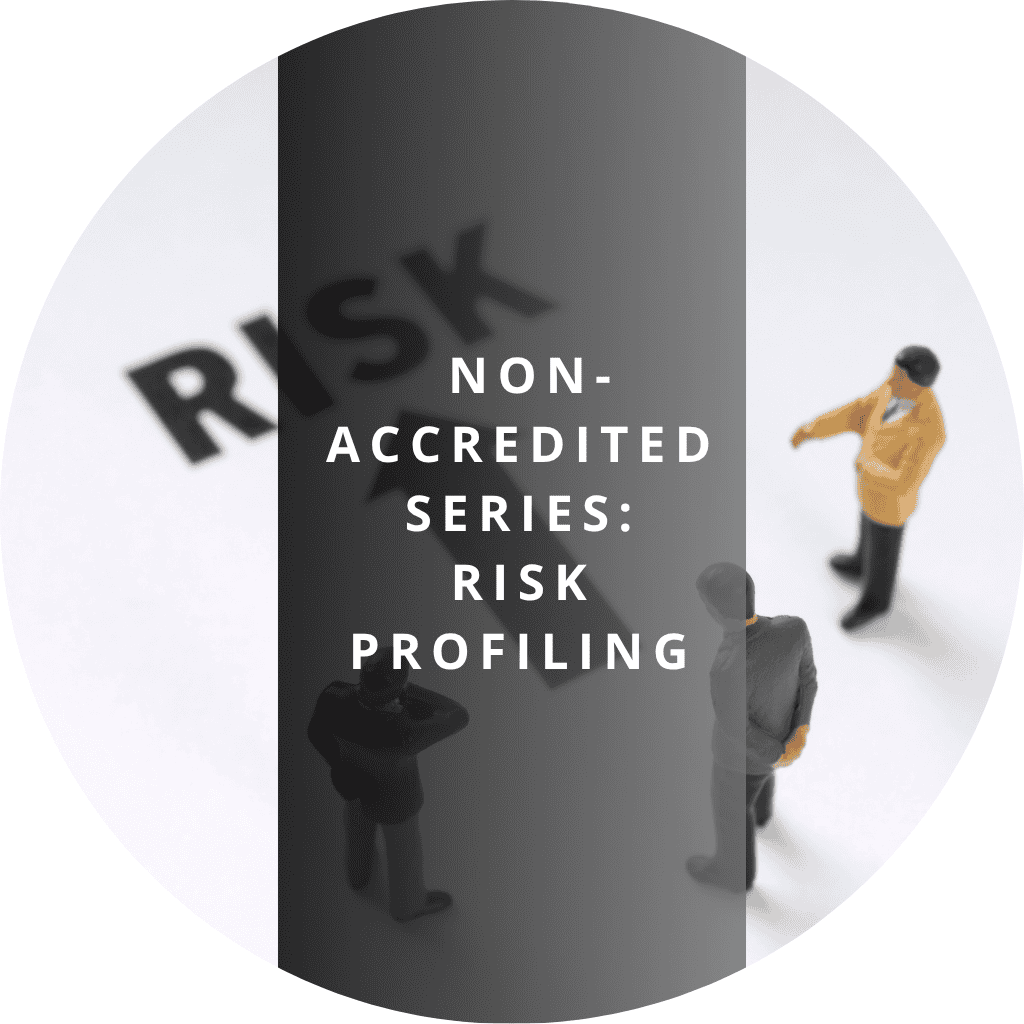
Risk Profiling
Develop the skills to identify, assess, and manage business risks effectively. This course equips you with practical techniques to create risk profiles, minimise threats, and support sustainable business growth.
Description
Purpose & Rationale
This unit standard is designed to equip learners with the knowledge and practical skills required to apply risk profiling techniques within small business environments. It focuses on identifying potential risks, analysing their impact, and developing strategies to manage or mitigate them effectively. By mastering these competencies, learners can support business continuity, reduce exposure to uncertainties, and enhance decision-making. This course is essential for professionals involved in consulting, risk management, and business support services, ensuring that businesses remain resilient and competitive.
Course Content
This course covers the following key areas:
- Introduction to risk profiling and its importance in business
- Types of risks: financial, operational, compliance, and strategic
- Risk identification techniques and tools
- Analysing risk likelihood and impact
- Developing comprehensive risk profiles for businesses
- Risk mitigation and control strategies
- Creating risk management and contingency plans
- Monitoring and reviewing risk management processes
- Adapting risk strategies to changing business environments
- Ethical and professional conduct in risk management
Who Should Enrol
This course is ideal for:
- Business consultants and advisors
- Risk management and compliance professionals
- Small business owners and entrepreneurs
- Auditors and financial practitioners
- Individuals interested in governance, risk, and compliance
Important Note
Learners should have Communication and Mathematical Literacy skills at NQF Level 4, along with a basic understanding of business operations and financial principles. Recognition of Prior Learning (RPL) is available for learners with relevant experience in risk management, auditing, or business consulting. Supporting evidence such as portfolios, work experience, or certifications will be assessed against the unit standard requirements.